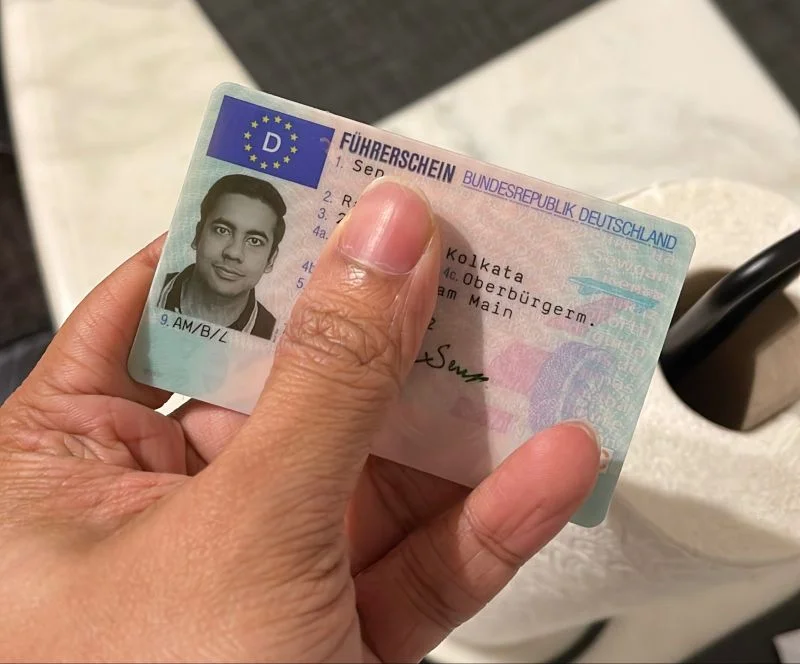
Understanding the Fear of the Practical Driving Test
The practical driving test is a substantial milestone for numerous individuals seeking self-reliance and movement. Nevertheless, it is also a source of tremendous anxiety and fear for innumerable prospective motorists. This fear is not uncommon, and it manifests in numerous kinds, such as performance stress and anxiety, fear of failure, or the pressure of real-world driving circumstances. This article checks out the roots of this worry, its implications, and effective methods for conquering it.
The Causes of Fear and Anxiety
Understanding why people may dread the driving test can help in addressing these worries. The following are some typical causes:
Performance Pressure:
- Many test-takers feel that there is a lot riding on their efficiency. Whether it is the pressure from household, good friends, or societal expectations, this can induce a performance stress and anxiety that can affect their ability to believe clearly and perform driving jobs effectively.
Fear of the Unknown:
- Each driving test can be unique, which can lead to fear of the unpredictable nature of the test. Führerschein Express -takers might fret about experiencing hard situations like heavy traffic, pedestrian crossings, or adverse weather.
Individual Experience:
- Previous unfavorable experiences with driving, whether it remain in routine practice or on practice tests, can set off worry and self-doubt. Past failures can haunt people, making them reluctant to attempt again.
Lack of Preparedness:
- Insufficient practice and appropriate guidance can add to a fear of the test. Individuals might feel unprepared or insecure in their driving abilities, even more worsening anxiety.
Perfectionism:
- The desire to carry out flawlessly can result in overthinking and excessive stress. Individuals who have high expectations of themselves can quickly become overwhelmed by fear of making mistakes.
The Implications of Test Anxiety
The fear of the practical driving test can lead to various effects, consisting of:
- Avoidance Behavior: Many individuals might postpone or completely prevent taking the test, which can prolong the procedure of acquiring a driver's license and hinder personal independence.
- Minimized Performance: Anxiety can impact cognitive functions, such as memory and concentration, resulting in errors throughout the test that wouldn't happen under typical situations.
- Negative Mental Health Effects: Continuous stress and anxiety can cause a cycle of low self-confidence, stress, and even depression with time.
Techniques to Overcome Fear of the Practical Driving Test
Luckily, there are numerous techniques and strategies to assist reduce the fear surrounding the driving test. Here's a list of reliable methods:
Preparation:
- Take the time to prepare properly. This consists of not only practicing driving however also familiarizing oneself with the test format and what to expect.
Mock Tests:
- Conduct practice tests with a qualified trainer or a trusted good friend. This can assist mimic the real test environment and decrease feelings of unpredictability.
Favorable Affirmations:
- Use positive affirmations to build self-confidence. Replace unfavorable ideas with constructive, encouraging statements.
Mindfulness and Relaxation Techniques:
- Practice mindfulness, deep breathing, or relaxation methods. These can help calm nerves and center thoughts before and during the test.
Envision Success:
- Visualizing favorable outcomes can develop a more positive state of mind. Invest a couple of minutes each day envisioning a successful driving test experience.
Cognitive Behavioral Techniques:
- Identify unreasonable worries and change them with reasonable ideas. This technique can assist change the point of view of the driving test experience.
Seek Professional Help:
- If stress and anxiety continues to be frustrating, think about speaking to an expert therapist or therapist who concentrates on anxiety management.
Table: Common Fears and Countermeasures
| Common Fear | Countermeasure |
|---|---|
| Fear of making an error | Practice and take mock tests |
| Stress and anxiety about traffic conditions | Arrange tests during less busy times |
| Stress over being judged | Remind yourself that examiners exist to guide and help |
| Issue about vehicle handling | Make sure to practice on different automobile types if suitable |
| Worry of failing | Welcome failure as a part of the learning process |
Frequently Asked Questions
1. What is the most common reason for fear during the practical driving test?
The most common factors include performance pressure, worry of failure, and absence of preparedness.
2. How can I manage my stress and anxiety before the test?
Techniques such as mindfulness, deep breathing, and positive visualization can substantially assist in managing anxiety.
3. Is it typical to be afraid of the driving test?
Yes, it is entirely regular. Lots of individuals experience some level of stress and anxiety during their driving tests.
4. Can I take the driving test numerous times?
Yes, in a lot of regions, individuals are allowed to retake the driving test if they do not pass. However, it's necessary to evaluate the reasons for failure and enhance before retaking.
5. Will the examiner be critical throughout the test?
Examiners are trained to evaluate driving abilities and ensure safety rather than to slam test-takers. They exist to offer guidance and assistance throughout the screening process.
The fear of the practical driving test is a substantial difficulty that many individuals deal with. By comprehending its roots and applying reliable strategies for handling it, potential drivers can lead the way for a more successful and less difficult test experience. As they equip themselves with knowledge and practice, they can take meaningful steps towards overcoming their worries, gaining self-reliance, and becoming positive motorists on the road.